


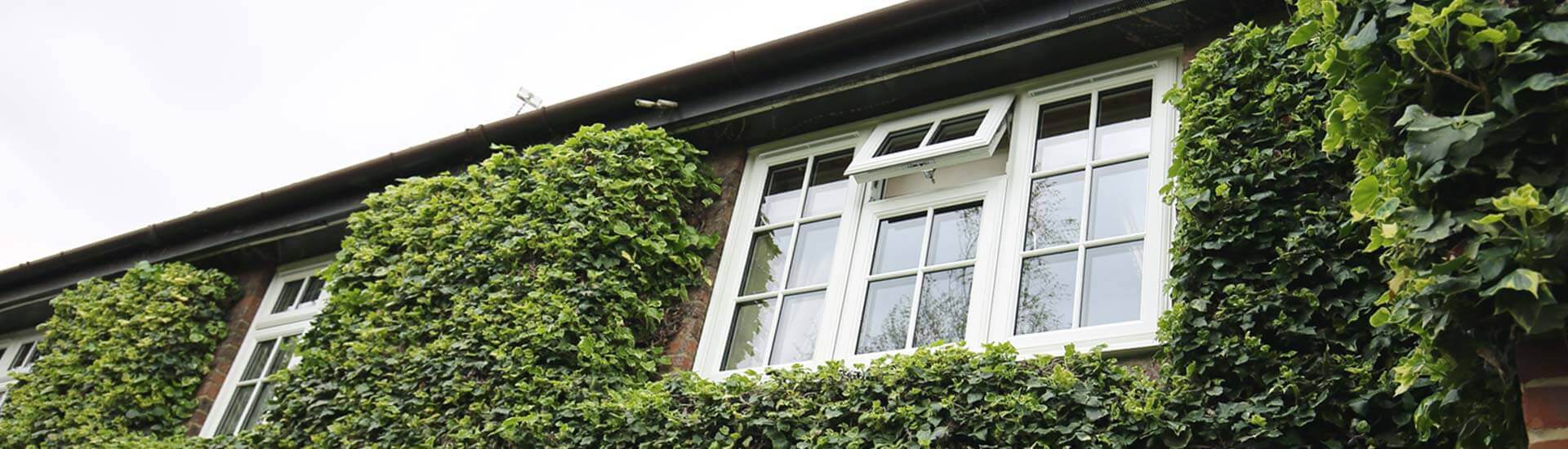

First impressions count in every area of life, and choosing the right front door for your home is no exception. Even the colour of your entrance can affect your home’s value and appeal, but that’s not all a new front door can do for your home.
When coupled with noise-reducing windows, triple glazing, or double glazing, your entrance door contributes substantially to the comfort of your home. It can also impact its resale value.
Nowadays, you’ll find an abundance of material options to choose from that can further enhance your dwelling. Keep reading for advice on whether a wooden or uPVC door is the best choice for your home.
About uPVC and Wooden Doors
Wooden doors add classic charm to any style of home. They’re crafted from carefully selected types of wood that can stand up to the rigours of being on the frontlines against the UK weather as well as frequent use.
Oak is a hardwood that’s an excellent choice for the task, thanks to its durability, sustainability, and good looks. Other popular hardwoods include beech, ash, elm, and sycamore.
Softwoods like cedar, hemlock, and Douglas fir also work well for doors and windows.
Composite wooden doors comprise eco-friendly engineered softwoods designed to repel insects and protect the planet. Accoya is one of the most popular types of engineered softwood used for doors.
uPVC stands for Unplasticized Polyvinyl Chloride. This is a type of PVC with high chemical resistance and a smooth composition. Unlike PVC, it does not flex.
It’s widely used for water piping and gutters in the construction industry as well as for windows and doors. Many homeowners make the switch to uPVC when upgrading their existing windows with double glazing.
uPVC has come a long way since it was first invented in 1935. As it’s a man-made material, uPVC undergoes ongoing improvements to enhance its positive aspects and reduce its negatives.
Modern uPVC doors comprise durable plastic skins bonded to fire-resistant materials chosen to enhance the doors’ strength and durability. This versatile material allows widespread customizations for a classic or contemporary look.
Wooden Door Pros and Cons
If cost is a major consideration for you, wooden doors might prove too expensive for your tastes. Good-quality solid wood doors are among the most expensive types of doors available.
Composite doors offer many of the benefits of wood with a more affordable price tag.
Thanks to the customizability of wood, wood doors look good in any setting and create a peaceful aesthetic for your home.
Studies show that natural materials, like wood, can contribute to feelings of well-being and reduce stress when used in architecture and interior design.
Customizations Available With Wood
It’s easy to construct wooden doors of any size or shape using a little creative carpentry. You can choose from an infinite range of stains to enhance and protect your wood door or add any shade of paint to suit your home’s exterior.
Additionally, you can choose from plain or panelled doors to suit your taste, and add a variety of windows to bring natural light into your home. An arched door adds charm to your entrance, especially when it includes glass panes.
These window options include plain or decorated panels, coloured glass embellishments, energy-efficient glass, and double or triple-glazing.
Almost any type of door hardware suits a wooden door, and you can easily switch these out if you want to upgrade your door.
Wooden Doors and Energy Efficiency
Wood has relatively low thermal conductivity, due to the small air spaces within its structure. As such, it’s a better insulator than steel.
So, if you’re looking to boost your home’s energy efficiency, wood is a good choice for you. Remember that even the best insulation can’t make up for a leaky building envelope.
Sealing gaps around and under your doors and windows will help keep your home’s interiors at a consistent temperature. This helps decrease how much you spend on heating and cooling every month.
It’s important to check these seals as part of your ongoing door maintenance routine.
Environmental Benefits of Wood Doors
Wood is a natural material and 100% biodegradable. Yet, when foresters harvest wood, they remove trees from their natural environment, where they help remove carbon from the atmosphere.
Always use FSC-certified timber if you choose to enhance your home with wood. This wood comes from sustainably managed plantations designed to limit deforestation.
Security Considerations
Both solid wood and engineered wood entry doors have sturdy cores for added stability. This helps increase the strength of the door while enhancing its durability.
These sturdy doors help reduce noise levels from outside and increase your home’s security.
Wood doors are generally heavier than uPVC doors which makes them seem more imposing. However, the heavier your door is, the more inclined it is to sag over time.
A sagging door not only looks unsightly but also loses its energy efficiency and security. You can stop your door from sagging by adjusting the hinges during routine maintenance if necessary.
Wood is highly flammable and offers almost no resistance to flames unless you treat it with a flame-resistant product.
Wooden Door Maintenance
Your front door puts up with constant use and can take a beating from the weather. Wind, rain, blistering heat, and snow can take their toll on a wood door.
When exposed to the elements, wood can chip, crack, and warp and will most certainly fade over time. If you want to maintain the beauty and durability of your door, you’ll need to stick to a rigorous maintenance routine.
Dust your doors at least once a week to limit scratches caused by sand particles and prevent the buildup of grime. In coastal areas, dust may harbour corrosive salt, which will wear down your door’s protective coating.
Wiping your doors down regularly with a soft cloth and a mixture of mild soap will also keep them at their best. You can also polish them with varnish polish, wax-based polish, or lacquer polish to hide scratches and enhance their appearance.
When you clean your door, check for any rust on the hinges or fittings, and make sure the seals are still airtight.
No matter how religiously you dust, clean, and polish your wooden doors, you’ll still need to refinish them at least once every five years. This involves removing the door from its hinges, getting rid of the old finish, and applying a new coat of exterior finishing solution.
If you have a painted door, you should carry out the same process before applying a fresh coat of paint.
A wood entrance door can last for decades if you take good care of it but ongoing maintenance costs mean wooden doors aren’t a good fit for those on a tight budget.
uPVC Door Pros and Cons
uPVC doors are an affordable alternative to wood. Despite the lower price tag, they outshine wood in almost every area.
The only major drawback with uPVC doors is that they aren’t quite as visually appealing. They’re much lighter and not as sturdy as wood doors.
No man-made material can ever match the unique patterns and shades of natural wood, although uPVC designs can closely match the look of timber.
Customizing Your uPVC Door
There was a time when uPVC doors offered limited colours and customizations. Nowadays, you’ll get to choose from a range of customizable doors when shopping for uPVC options.
You can choose from those with a wood-look veneer in a range of colours, with all the same options for window inserts as wooden doors.
Despite the variety of available customizations, you might not find uPVC doors to suit the aesthetic of your traditional home, especially if you already have wooden window frames.
uPVC and Energy Efficiency
uPVC is an excellent insulator. When combined with energy-efficient windows, uPVC doors can help you cut your energy bills by reducing the need for excessive heating and cooling measures inside your home.
Be sure to keep tabs on the seals around your doors and panes to ensure optimum insulation from the elements.
uPVC and the Environment
uPVC has a high strength-to-weight ratio, which makes it ideal for recycling. It’s recyclable up to ten times during its lifecycle. It contains no lead, phthalates, or BPA, making it a safe choice for your family.
So, while manufacturing uPVC does create a few carbon emissions, the material’s insulative and recyclable properties help make up for this.
uPVC doors are highly durable and stand up to the elements without warping, fading, rotting, or cracking. This means you don’t need to replace them for around 30 years.
uPVC Door Maintenance
These doors are virtually maintenance-free. You never have to sand them down or paint them to ensure they can stand up to the weather. Regular cleaning is all it takes to keep your uPVC doors looking as good as new.
They’re supremely weather-resistant when installed correctly, but you may need extra reinforcement if you live in an area where severe weather incidents are commonplace.
uPVC expands and contracts when exposed to extreme heat and cold. This limits its potential for cracking or warping, but it can cause havoc with your door seals.
You can limit any ill effects from this by hiring a professional contractor to fit your door correctly and checking the seals regularly during routine cleaning.
uPVC is non-porous and mould-resistant, so it’s impervious to water damage. It’s also unpalatable to all insects, so you needn’t worry about wood-eating beetles and borers snacking on your door.
Salt and dust can’t penetrate uPVC or damage it in any way. This material does eventually break down, which means you’ll need to replace your door sooner than if you’d opted for a wooden one.
Enjoy Peace of Mind with uPVC
uPVC provides an effective sound barrier against street noise to help you relax away from the bustle of daily life while at home.
These doors also offer optimized security features like toughened glass, reinforcement, and multi-point locking systems. Thanks to this, they’re highly resistant to break-ins and burglaries.
Finally, uPVC is flame retardant and self-extinguishing, so it does not encourage the development of fire or melt when exposed to flames.
What Do You Expect From Your Front Door?
Ultimately, the choice between a wood or uPVC door depends on your expectations. If you’re aiming for a traditional look or have a highly specific paint colour in mind, wood is your best choice.
It’s also a good option for those who get a sense of satisfaction from maintaining their home or like to switch out their paint colours every so often.
Wood has an eco-friendly edge over uPVC if you opt for FSC-certified products, too. UPVC is highly recyclable, but wood biodegrades entirely once it’s reached the end of its useful life.
Busy modern homeowners will find that uPVC doors offer more than enough design choices for their needs, plus the benefit of almost no maintenance. For those shopping on a budget, uPVC is the obvious option when compared to wood.
Both materials offer good security and sound resistance while helping to insulate your home from the elements.
If you’re torn between these two options, an experienced contractor can help you make the best choice for your home. Some composite doors combine wood and uPVC to offer you the best benefits of both options.
Find the Best Front Door for Your Home
To sum up, wooden entrance doors are costly and require ongoing maintenance to look their best, although they offer thermal and aesthetic benefits. A uPVC door is eco-friendly, low-maintenance, and more affordable, but it can’t quite mimic the aesthetic appeal of wood.
Whether you prefer uPVC or wood composite doors for your Welwyn Garden City home, Apex Windows is your first port of call if you want to enjoy the luxury of choice.
We offer a wide range of noise-reducing windows, as well as triple glazing and double glazing on our range of doors, to ensure your home’s energy efficiency. Get in touch for personalised assistance with choosing your perfect windows and doors.