


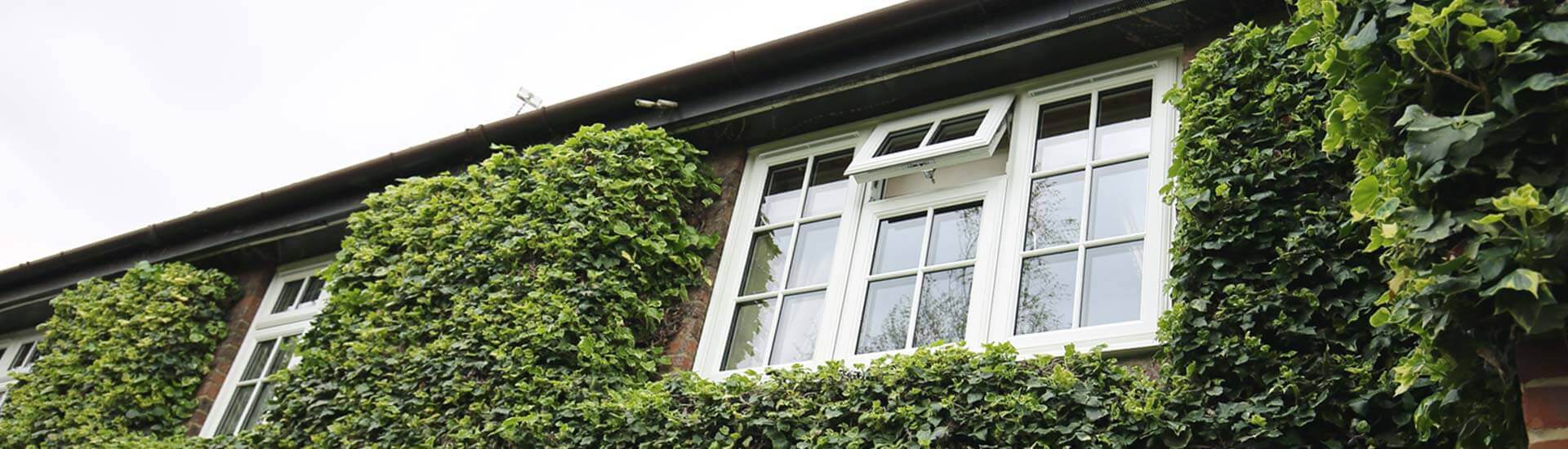

Energy efficiency has taken centre stage in home construction and renovation, and with good reason. Homeowners can enjoy improved performance and substantial savings in every area of their homes by increasing efficiency. But what part do your windows play?
According to a report by Market Research Future, the energy-saving window market will be worth over 21 billion dollars by 2030. Continue reading to learn why upgrading to an energy-efficient window is the wisest investment you will ever make.
What Is an Energy-Efficient Window?
Energy-efficient windows are designed to conserve heated or cooled air within your home. Their increased insulation lowers your home’s energy consumption and improves its overall comfort.
This means you won’t have to rely as much on your HVAC system because your windows do much of the work. You save both energy and money in the long run.
How Does an Energy-Efficient Window Work?
According to the U.S. Department of Energy, inefficient windows waste 30 percent of your home’s heating and cooling capacity. Although windows provide natural ventilation in good weather, they can also be an issue when it comes to preserving the comfort of your home in harsher conditions.
Windows can lose heat in four different ways. Air leakage occurs when heat enters or escapes through a space in the frame. Conduction is when heat is transmitted through your window frames.
Convection is when heat transfers by air or water through the spaces of your window panes. Radiation occurs when heat is absorbed by your window’s glass.
Energy-efficient windows are designed with multiple panes of glass separated by inert gases. The glass is coated to further reduce heat transfer. This serves as an effective thermal barrier and provides long-term energy savings.
Benefits of an Energy-Saving Home
When purchasing or replacing windows, homeowners often deliberate between energy efficiency and pricing. While energy-saving windows may be more expensive initially, they will last significantly longer and save you money in the long run.
Learn more about some of the benefits of energy-efficient window options and how they can transform your house into an energy-saving home.
Reduces Utility Costs
As a homeowner, you may spend a big portion of your monthly budget on energy costs. Energy-efficient windows have insulating qualities that reduce energy consumption. This means you don’t need to use your HVAC system as frequently.
Increases Property Value
Energy-saving homes typically sell for a higher price in the real estate market. When you sell your home, each improvement you make to its energy efficiency will regain a small portion of the cost.
Private homes with green certifications sell for more than comparable homes in the area. Energy efficiency is a selling point for any property. It means lower utility bills, fewer maintenance costs, and enhanced home security.
Requires Less Maintenance
Energy-efficient windows have a UV-resistant coating. It prevents condensation from forming inside your house. This reduces the time and effort required to maintain mould issues, dirt buildup, water stains, and paint touch-ups.
Protects the Environment
According to research by Energy Savings, energy-efficient windows can cut heating and cooling costs by an average of 12 percent. It’s also an effective way to lower your carbon footprint and contribution to emissions.
Return on Investment
Investing in windows that save energy is a smart long-term move that pays for itself through lower utility costs. Compared to older, less energy-efficient window styles, the money you save can more than make up for the money you have to spend upfront.
As the price of energy rises, replacing old windows can result in a measurable return on investment (ROI) over both the short and long term.
Enhances Your Comfort
You can improve the comfort of your home life by optimising your energy use. You may even experience significant health benefits. Energy-efficient windows regulate your home’s temperature day and night, all year long.
As a result, your home will be warmer, drier, and well-ventilated. This reduces the accumulation of mildew, indoor pollutants, musty odours, and health hazards.
Important Energy-Saving Factors
Homeowners are becoming more conscious of how their energy use affects the economy and the environment. Selecting the right windows can have a significant impact on your home’s operational efficiency.
So what makes a window energy-efficient? Here are some key factors to consider when selecting high-performance, energy-saving windows for your home:
U-Factor
The U-factor is a metric indicating the insulating ability of a window. Low U-factors are the most appealing because they provide better insulation and thermal performance compared to windows with a higher U-factor.
Low-E Glass Coating
Low-emissivity coatings are thin metallic layers applied to window glass panes. They help regulate solar radiation by reflecting infrared and UV light while allowing visible light to pass through.
Gas Fills
Odourless and nontoxic gases (like argon gas or krypton gas) are used to fill the space between glass panes. These dense gases provide additional insulation.
Window Spacers
Window spacers are plastic, foam, or metal strips that support, separate, and seal in functional gases. They’re bonded between glass panes to create a superior, airtight cavity. Spacers help provide strength and stability while serving as a temperature buffer.
Weatherstripping
Weatherstripping seals the edges of a window with fibrous material. This helps prevent and repel drafts and air leaks. Its purpose is to keep harsh elements such as rain, water, and wind out while keeping the interior air in.
Multiple Window Panes
Single-pane windows insulate your home less effectively than double or triple-pane windows or glazed windows. The more glass panes, the better the insulation, soundproofing, and energy efficiency.
Choosing Energy-Efficient Windows
As the world moves towards saving energy and being more efficient, it can be hard to know where to start when shopping for windows. Knowing the types of windows available, the benefits of new window replacements, and what your priorities are for your windows are the best places to start.
The best window design will accommodate your budget, complement your personal taste, and offer the best thermal performance. Location, type, size, orientation, and warranty of windows should all be taken into account.
The most common window styles include picture, awning, casement, sliding sash, bay and bow, single-hung, double-hung, and custom windows. Every window has a unique function and performance factor. By weighing your options, you’ll undoubtedly discover the window style that best fits your needs.
Most importantly, invest in proper window installation. Although a DIY project may seem more cost-effective, poorly installed windows can defeat the purpose. This can result in lower durability, more maintenance, and unavoidable costs. The longevity of your window investment can be ensured by hiring qualified professionals.
Old-fashioned vs. Energy Efficient
Choosing between conventional and contemporary windows can make all the difference to your home, and to your wallet. Here are some of the pros and cons between old-fashioned windows and energy-efficient windows:
Old-fashioned Windows
Old-fashioned windows are out of date and high maintenance. They can also end up being a financial burden and liability in the future. These windows have many drawbacks, including:
- Prone to leakage
- Poor or lack of insulation
- Consumes more energy
- Increased utility bills
- Uncomfortable home climate
- High maintenance
Energy-Efficient Windows
Energy-efficient windows are popular and current. They are also in high demand among homeowners, home buyers, and home sellers alike. These windows have numerous benefits, including:
- Prevents mould and water damage
- Reduces exterior noise and sun damage
- Eco-friendly and energy-saving
- Long-term savings
- Year-round comfort
- Minimal maintenance
The quality of materials and installation can also make or break your window, literally and figuratively! Choosing contemporary windows that are convenient and affordable over traditional windows can reduce the likelihood of future complications.
Energy-Saving Labels
Making wise, energy-saving decisions can be a bit confusing. It’s no wonder, with so many products claiming to be green or eco-friendly. Fortunately, there are labels that indicate whether a product has been tested and proven to save energy without compromising functionality or comfort.
Here are some energy-efficiency labels to look for before purchasing your windows:
National Fenestration Rating Council (NFRC)
This label allows you to assess the energy efficiency of various products quickly and easily. NFRC-certified products have been evaluated, approved, and labelled to help you make an informed purchase decision.
Solar Heat Gain Coefficient (SHGC)
This label measures the amount of solar heat that a window can absorb or transmit. The lower the SHGC, the less heat the window lets in, and the lower your cooling costs will be.
Energy Star (ER)
This label is a globally recognised and reputable symbol of high efficiency. This indicates that the product has met strict energy efficiency standards and is certified by an independent third party.
A Worthwhile Investment
When it comes to a home’s energy efficiency, windows are a key selling and remodelling point. It’s understandable to worry about costs, though many homeowners will find that new windows can end up being an investment that keeps on giving.
Our goal is to provide a simple and effective guide to long-term savings and sustainability. Contact us to discover why an energy-efficient window is an upgrade you and your home have been waiting for!