


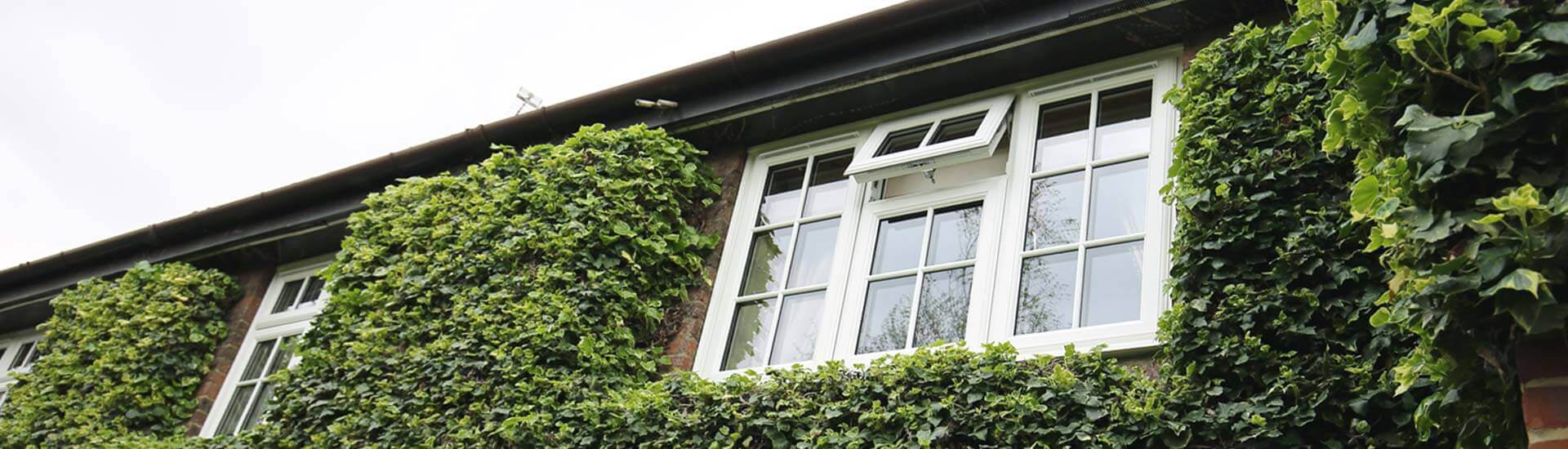

Key summary: Double glazing cuts heat loss through your windows by around half compared to single glazing, and that’s before you count the quieter rooms, the drier frames, the UV protection for your furniture, or what multi-point shootbolt locking and a fully internally beaded frame do for security. A home with a better energy rating has sold for up to 14% more too. The real test is whether what’s fitted in your home right now is still pulling its weight.
You noticed it before you could put a name to it: mist settled between the panes of your double glazing, a new draught round the frame, or a heating bill that’s crept up for no obvious reason.
None of that’s random. It means the seal, the frame or the lock is failing, and what you do next shouldn’t be decided by a sales pitch.
What Are the Benefits of Double Glazing?
Double glazing works by sealing two panes of glass around a gas-filled gap, known as a sealed unit, and it’s that gap which drives six distinct benefits: lower energy bills, less noise, less condensation, stronger security, UV protection for your furnishings and a possible lift in your home’s value.
- Lower Energy Bills: Around 18% of the heat lost from a typical UK home escapes through the windows, and single glazing loses heat roughly twice as fast as standard double glazing, per 2016 government and Energy Saving Trust data.
- Noise Reduction: A standard double-glazed unit cuts outside noise by up to 30 decibels, rising to 40 with a wider air gap, under BS 8233 standards. Matters most on a main road or under a flight path; elsewhere it’s a bonus rather than the main draw.
- Reduced Condensation: A sealed unit keeps the inner pane closer to room temperature, which is what stops moist air from turning into the misting and mould that older glass invites.
- Stronger Security: Homes with less than basic security suffer six times more burglaries than homes with basic security, and ten times more than homes with enhanced security, according to UCL’s analysis of crime survey data. That’s down to the locks, not the glass, which is why multi-point shootbolt locking, built into the frame and inaccessible from the outside once installed, matters most for ground-floor rooms or a home that’s had an attempted break-in.
- UV Protection: The glass blocks the UV light that fades furniture, flooring and fabric, which matters most for good pieces sitting near south-facing windows.
- Higher Property Value: Homes rated EPC A or B sold for around 14% more than homes rated G, across 325,950 properties resold between 1995 and 2011, based on a 2013 government hedonic pricing study. That premium tracks the energy rating, not double glazing on its own, though double glazing is one of the more straightforward ways to lift it, and it matters most if you’re planning to sell in the next few years.

What Are the Disadvantages of Double Glazed Windows?
Double glazing has one real downside: a failed seal means replacing the whole sealed unit rather than a simple repair, and if you’re seeing misting between the panes, that’s the clearest sign the seal has already gone.
That’s what’s known as a blown unit: the seal’s failed and let moisture in, showing up as a permanent mist that cleaning won’t shift, because the damp’s trapped inside the unit, not on the surface. If that’s what you’re seeing, fixing condensation between panes covers your options.
A 2009 lab test found a single-glazed window with no sealed gap built up 33g of condensation over five hours, against none at all once a sealed pane was added. A blown double-glazed unit hits the same problem once its seal goes.
A new draught or a stiff-opening window usually means the frame or locking mechanism, not the seal. Check signs your window seal has failed against what you’re actually noticing before assuming which fault it is.
A blown unit can’t be topped up; the whole sealed unit has to come out and be replaced. That’s where the guarantee matters: a new window comes with our 10 Year Insurance-backed guarantee, provided automatically and at no extra cost, while an ageing window with a failed seal usually has none left at all.
What Does Replacing Double Glazing Cost, and Is It Worth It?
Replacing the uPVC windows on a small semi-detached home typically costs £4,800 to £7,000, based on 2017 government-commissioned research into installer costs, though that’s a base figure rather than today’s exact quote. Aluminium or timber frames can cost up to double that, and the range also comes down to how many windows need doing and the fact that every unit gets measured individually rather than sold off a shelf. Our guide to double glazing costs breaks that down further by frame type and window count.
Whether that’s worth it for a unit approaching 20 years old usually comes down to weighing the ongoing bill savings, better security and guarantee cover against the cost of waiting for a unit to fail outright. A few signs point clearly towards replacing now rather than later:
- Condensation between the panes that won’t clear
- A new draught, not something you’ve always had
- Bills creeping up year on year with nothing else in the house to explain it
- Visible damage or decay to the frame itself
If you want a figure for your own home rather than a UK-wide average, our instant online calculator gives you one in under a minute, with no sales visit and no hidden extras added afterwards.
A guarantee’s only worth something if the company behind it is still trading in ten years, which is worth checking before you choose who does the work.

The Long-Term Benefits of Sticking with One Trusted Installer
Choosing an installer you can stay with for years matters as much as the glazing itself, because an Insurance Backed Guarantee, cover that protects the guarantee itself even if the original installer stops trading, only actually works if the company behind it is still standing when you need it.
It covers more than paperwork too. A repair, a spare part, or a conservatory and front door added a few years later all go more smoothly with one company holding your history, rather than three different guarantees to track.
We’ve fitted windows, doors and conservatories across Bedfordshire since 1989, over 30 years of still being here to answer that call. We’re FENSA registered (No. 31157) and InstallSure (formerly GGFi) Insurance Backed Guarantee Scheme members since 2014, which is what sits behind our 10 Year Guarantee. We’re also Checkatrade and TrustATrader approved, and we’re endorsed by Which? Trusted Traders.
Our instant online calculator works the same way: a price for your own windows before anyone’s set foot in your house, because we don’t use high pressure sales techniques.
We cover Luton and the surrounding Home Counties, from straightforward replacements to the casement windows homeowners often move on to next. Check the areas we serve if you’re not sure that includes you.
Before you spend a few thousand pounds on new windows, these are the numbers that hold up, whether that’s a decision you’re making for yourself or justifying to someone else. Double glazing earns its keep: up to £85 a year off heating on a semi-detached home moving from single glazing, less noise, drier frames, better security and a stronger resale position. None of that makes replacement an automatic yes, though. It depends on the age and condition of what’s keeping the weather out right now, not a blanket rule for every home.
Get a price for your own windows with our instant online calculator, or contact us if you’d rather talk it through first.
Frequently Asked Questions
Does Double Glazing Really Make a Difference?
Yes. Single glazing loses heat about twice as fast as standard double glazing, and windows account for around 18% of a typical home’s heat loss, so the difference shows up directly on a heating bill.
What Is the 25% Glazing Rule?
It’s a rule for extensions, not for replacing existing windows, so don’t let the two get mixed up. Under Approved Document L1B, the combined area of windows, doors and rooflights in an extension can’t exceed 25% of floor area, plus any existing openings it encloses, without extra energy calculations to prove compliance.
What Are the Disadvantages of Double Glazing?
The main one is a failed seal. Once it goes, the whole sealed unit needs replacing rather than a simple repair, which is exactly where our 10 Year Insurance Backed Guarantee earns its keep.
What Is the Average Cost of Replacing Double Glazing?
Typically £4,800 to £7,000 for a small semi-detached home with uPVC frames, based on government-commissioned installer data, though it varies with frame material and the number of windows.
Is It Worth Replacing 20-Year-Old Double Glazing?
Usually, yes. A change in building regulations in 2002 made low-emissivity glass effectively mandatory, so most units installed before then are likely underperforming against what’s available now.
Is Double Glazing Worth the Money?
For most homes, yes. The combination of bill savings, security, comfort and a measurable link to property value makes double glazing one of the more reliably worthwhile home upgrades, provided the installer and guarantee behind it are both sound, like our FENSA registration (No. 31157) and 10 Year Insurance Backed Guarantee.