


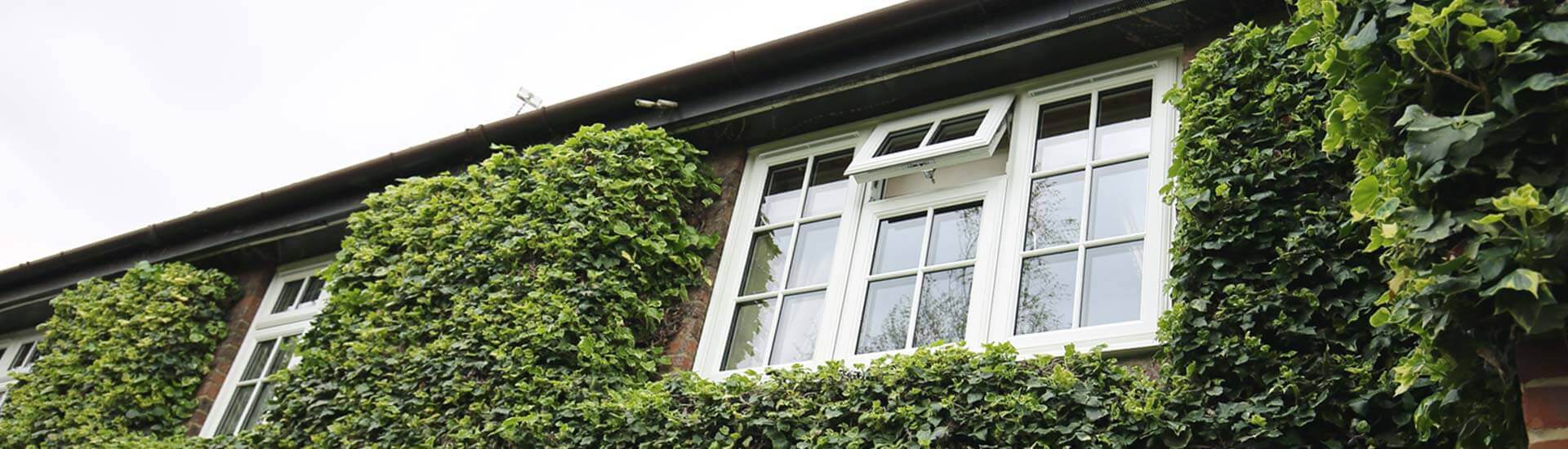
Beautiful windows can transform a home. In addition to serving a functional purpose, the right ones can also add aesthetic beauty and curb appeal.
Whether you’re building a new property or renovating an existing one, it can be difficult to know exactly which types of windows to choose. There are plenty of styles to shop for, and pinpointing the right ones is often challenging.
To narrow your selection, it helps to know how the most common types of windows work. Today, we’re sharing the differences between casement vs sliding windows, so you can pick the style that’s right for you!
What Are Casement Windows?
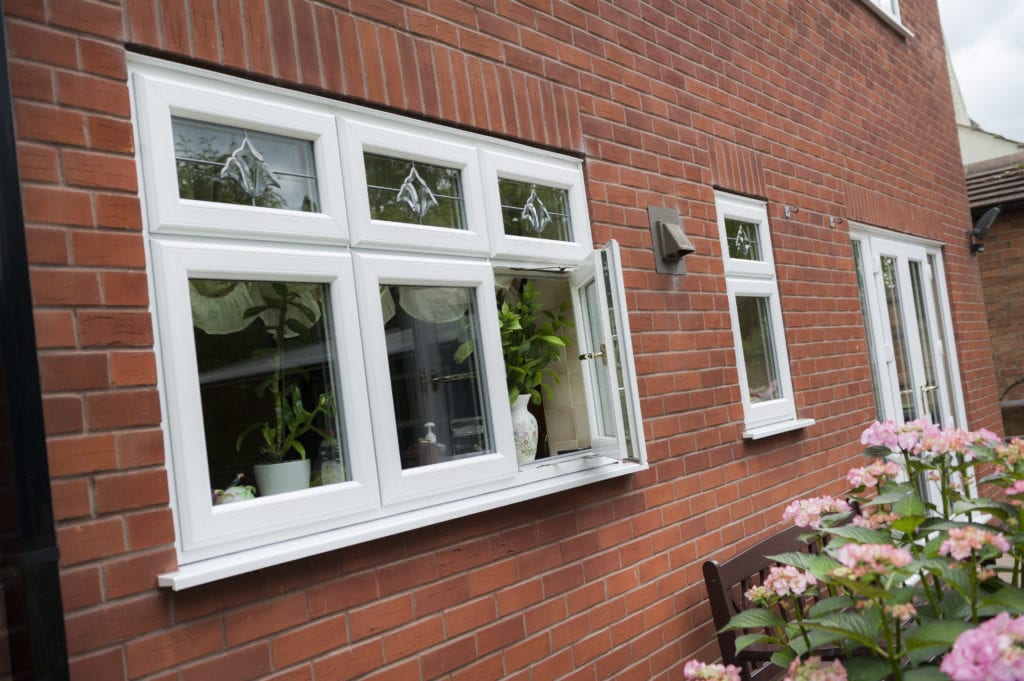
Casement windows are also known as crank windows or normal windows. They install vertically and hinge at the side, opening outward or inward along their entire length. You will use a hand-operated crank to open or close them.
Though they are often associated with more traditional homes, casement windows can also look great on modern or contemporary houses. Newer casement windows feature cranks that are sleeker and easier to operate than their older counterparts.
These modern cranks usually fold down and turn easily without requiring too much elbow grease. For this reason, you’ll often find them above wall-mounted obstructions that make other types of windows difficult to manoeuvre. For example, it can be difficult to access a double-pane sliding window above a sink, but it’s much easier to reach and operate a hand crank from afar.
Due to their ability to extend outward, casement windows are frequently used in areas of the home that require a good amount of ventilation. For instance, you’ll often find them in bathrooms or kitchens. They also make great accents on either side of a large picture window!
Pros and Cons of Casement Windows
Are you considering these types of windows for your home? Here are a few pros and cons of casement windows to keep in mind.
Pros
One of the top benefits of casement windows is that they’re a cinch to clean. Most models open to at least a 90-degree angle, which allows you to easily reach and wipe down the interior and exterior from inside your home.
Many homeowners also prefer casement windows because the screen is located on the inside. This keeps the screen clean and protected from adverse weather conditions.
Finally, casement windows are also some of the most snug-fitting windows on the market. This helps ensure that your home stays cool in the summer and warm in the winter, which can lower your HVAC bill and improve your home’s energy efficiency!
Cons
Like most home products, casement windows do have their drawbacks. First, if they open outward, they can obstruct views from the outside. They can also physically block exterior walkways, gardens, or natural areas.
As long as you install yours in locations where you know this won’t be a problem, it’s not an issue you’ll need to worry about. Another potential concern is sizing. Casement windows aren’t available to fit every type of window size and configuration, so check with your installer before setting your sights on this look.
Finally, some older-model casement windows can be less secure, because the hinges can wear down over time and become easy to remove. When you purchase new replacements from us, you don’t have to worry about this issue. All of our locks feature shoot-bolt locking embedded within the frame, which makes them very difficult to break into.
What Are Sliding Windows?
As its name implies, a sliding window or a sash window is a type of window that slides open. It opens horizontally, fitting between a top and bottom track inside of the window frame. Most models are wider than they are tall and fit ideally into rectangular-shaped openings.
In many ways, this design is similar to a double-hung window but simply turned on its side. Like casement windows, sliding windows can provide excellent views of your home’s exterior. To open one, you simply unlock it and press on the operable sash, moving it to one side or the other.
As the panels slide across and there is no exterior component, there’s even less of an obstruction with these. If you have an expansive landscape that you want to enjoy from inside of your home, sliding windows are usually preferable over casement ones.
You can find sliding windows in a variety of different configurations. Most of the configurations are based on the number of panels, or lites, that the window contains. Let’s take a look at a few of the most common types.
Two-Panel/Two-Lite Sliding Window
A two-panel sliding window contains one fixed, unmovable panel of glass, as well as one operable window sash. The sash opens by sliding either to the left or the right.
Three-Panel/Three-Lite Sliding Window
A three-panel sliding window contains three separate panes of glass, all situated within a single window frame. In most models, the fixed pane is located in the middle. Both outer sashes are operable and will move to the left or the right to open the window.
Pros and Cons of Sliding Windows
Are these windows the right choice for your home? Let’s check out some of the pros and cons before you decide.
Pros
One of the most impressive benefits of sliding windows is that they’re easy to operate. There isn’t a crank to manoeuvre or any other component you have to work. If you can simply unlock the window and slide it with your finger, you can open it.
This makes sliding windows another good choice in hard-to-reach areas, such as above a sink or behind a living room sofa. You’ll also appreciate the minimal hardware that most models require. Unlike other types of windows, sliding windows don’t need a ton of extra accessories or parts to operate.
In addition, sliding windows are also more durable. They do not require the use of any pulleys or springs, which can easily wear down over time and render your window inoperable.
Cons
When deciding between sliding or casement windows, think about how much time you want to spend cleaning them each month. While you can simply crank open a casement window and clean it from the inside, it’s not quite as straightforward with a sliding window.
Instead, you have to remove the inner sash before you can access each panel, which can be cumbersome.
Another disadvantage is that some panels on a sliding window might not open. For instance, this is typically the case with three-panel sliding windows, which feature a fixed middle panel. If you need a substantial amount of ventilation in a specific area, this type of opening might not be adequate.
It’s also important to understand that some sliding windows can accumulate moisture on the window sill. This could not only affect the operability of the window but could lead to more serious water damage down the road. Most sliding windows now come equipped with drainage holes to help prevent this issue.
Which One Is Right for Your Home?
Now that you know a little more about how casement windows and sliding windows work, have you decided which ones you’ll use and where you’ll place them within your home?
If you’re still not sure, here are a few critical questions to ask.
What Does the Opening Look Like?
The dimensions of your window openings will ultimately dictate which types of windows you should use. If you have a space that’s wider than it is tall, then try a sliding window first.
On the other hand, casement windows work great in tall, narrow openings. The installer will attach one casement window to each side of the window frame, so they swing outward.
How Much Ventilation Do You Need?
Most types of casement windows open completely, so you can achieve maximum ventilation. Yet, sliding windows keep half of the space closed or overlapped, which limits ventilation.
If you want sliding windows but need lots of ventilation, look for a model that allows both side panels to open at the same time, rather than one moving and one remaining fixed.
Do You Value Energy Savings?
With a sliding window, there has to be a little give in the seal. This allows homeowners to slide one entire panel over to the next.
While it’s convenient, it’s not as energy-efficient as the seal on a casement window, which isn’t designed to be as flexible. If energy savings are a top concern for you, then start with casement windows.
Casement vs Sliding Windows: We’ve Got You Covered
In the debate between casement vs sliding windows, there isn’t a clear winner. Both types of windows have their pros and cons, and your specific window openings will help dictate the style that’s right for you.
At Apex Windows, we’re here to help you choose windows that will beautifully complement your home. We offer different styles of both casement and sliding windows, as well as other types of speciality windows, such as Georgian /Astragal bar windows.
We’re happy to walk you through all of your available options. Check our Locations Page to get in touch and discuss your requirements!