


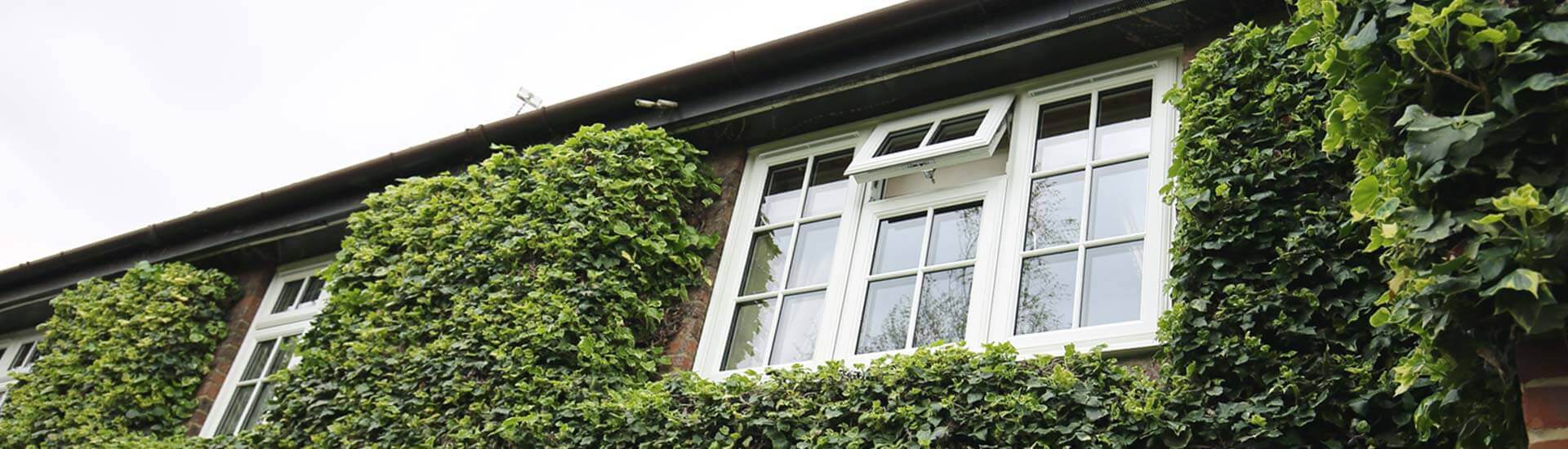

If you’re wondering how much new sash windows will set you back, the short answer is: expect to pay around 1,300 pounds on average for a typical replacement, though costs can vary widely by material, glazing, and complexity.
Have you noticed drafts, rattling panes or rising energy bills in your home? In that case, the issue may lie with failing sash windows, and replacement may offer better long-term value than repeated repairs.
Today, we’re taking a closer look at the key drivers of sash window replacement costs, the different window replacement options available, and how to budget wisely for a sash window installation that balances heritage, performance, and cost.
How Much Does a Replacement Window Sash Cost?
Replacing sash windows is a significant part of any home renovation budget, so it helps to understand how much a replacement sash window costs before you begin. Prices can vary widely depending on material, design, and location. Three main factors influence what you’ll pay:
- The type of material used
- The style and size of the window
- Labour and regional price differences
The Type of Material Used
Material choice has the biggest effect on sash window replacement costs. Timber remains the most traditional option, prized for its classic appearance and durability.
A softwood sash can cost around 500 to 800 pounds per window, while hardwood versions often reach 1,000 pounds or more. uPVC is more affordable and low maintenance, often ranging from 400 to 700 pounds per sash. Aluminium frames sit at the higher end of the scale, typically starting at 900 pounds and offering a sleek, modern appearance.
Wooden sashes tend to require more upkeep, which adds to the long-term home improvement costs. That said, they offer excellent insulation when properly maintained. For homeowners focused on longevity and reduced maintenance, uPVC or aluminium can be more practical window replacement options.
The Style and Size of the Window
The complexity of the window design directly affects the price. Traditional single-hung sash windows, where only one sash moves, are usually less expensive than double-hung versions that allow both sashes to open.
Custom or extra-large frames increase the price due to the added material and craftsmanship required. Bay or bow windows with multiple panels can raise the cost further, as they often require bespoke sash window installation work.
Labour and Regional Price Differences
Labour makes up a significant portion of sash window replacement costs. In cities such as London, labour rates are higher, which pushes up the total bill.
Rural or northern areas of the UK often offer more competitive prices. The complexity of the job also matters. Period properties or listed buildings may require heritage specialists, which increases the price of both labour and materials.
What Is the Life Expectancy of a Sash Window?
The life expectancy of a sash window depends on its material, quality, and how well it’s maintained. Different materials age in different ways. Timber sash windows are known for their long life when cared for properly.
With regular painting and protection from moisture, they can last 40 to 60 years or even longer. Softwood may need more upkeep than hardwood, but both can serve well if kept sealed and dry.
uPVC sash windows last about 25 to 30 years, offering lower maintenance but a shorter lifespan overall. Aluminium windows can often exceed 40 years, standing up well to weather without much upkeep.
The Level of Maintenance and Care
Proper maintenance can make a big difference. Wooden frames need repainting every few years to prevent rot and water damage. Cleaning glass and tracks helps prevent dirt from building up, which can cause sticking or wear.
Keeping seals tight and repairing cracks early can stop small problems from becoming major ones. A few hours of care each year can extend a window’s life by decades.
The Quality of Installation and Environment
Even the best materials won’t last long if the sash window installation isn’t done correctly. Poor alignment or weak sealing lets in moisture, which damages both wood and hardware.
Homes near the coast may see faster wear from salt air, while areas with heavy rain or cold winters can stress joints and finishes. A quality installation using durable materials gives a sash window the best chance of reaching its full lifespan.
Comparing Window Replacement Options
Homeowners often wonder if full sash window replacement is necessary or if repair work might be enough. The choice depends on the condition of the existing frames, the level of damage, and the type of improvement desired.
Three main window replacement options are worth weighing carefully:
- Full replacement of both frame and sash
- Partial replacement, where only the sash is changed
- Repair or refurbishment of existing windows
Full Replacement of Both Frame and Sash
A full replacement involves removing the old frame and sash entirely, then fitting a new one into the wall opening. This is the most thorough method and is often used for windows that are damaged beyond repair or where major energy upgrades are planned.
While full replacement has a higher cost, it offers several benefits. The new frame and sash work together for a tight seal, improving insulation and security.
Homeowners can choose from a range of materials, including timber, uPVC, or aluminium, depending on style and budget. Modern designs can mimic period details while offering better thermal performance.
This option suits properties with long-term renovation goals or where window structures have weakened over time. The higher sash window replacement costs may be offset by better energy efficiency and fewer maintenance needs in the future.
Partial Replacement, Where Only the Sash Is Changed
In many homes, the frame remains solid even if the sash itself is damaged or warped. In this case, replacing only the sash can be a smart middle-ground choice. It costs less than a full replacement and keeps the existing structure in place.
Partial replacement is especially useful in heritage buildings, where maintaining original features is important. The process involves removing the old sash, fitting a new one that matches the existing design, and checking for balance and movement. When paired with double glazing or draught-proofing, this option can improve comfort without losing character.
This approach often provides good value, particularly where the homeowner wants to improve performance without altering the look of the property.
Repair or Refurbishment of Existing Windows
If the window frame and sash are mostly sound, repair may be the most budget-friendly option. Repairs can involve sanding, re-puttying glass, treating rot, or replacing cords and weights. Professional refurbishment can extend the life of original windows and preserve their craftsmanship.
Refurbishment usually costs far less than full replacement, though results depend on the condition of the timber and glazing. It’s also quicker and less disruptive than a complete sash window installation. While this option won’t always match the energy performance of new models, it can be an effective compromise for those managing home improvement costs on a smaller budget.
The Role of Energy Efficiency and Modern Materials
Energy efficiency has become one of the main reasons homeowners invest in new sash windows. Modern designs use materials and glazing that reduce heat loss and lower household bills. They also make homes more comfortable throughout the year.
When choosing replacement sash windows, the focus is usually on three areas:
- Improving insulation through advanced glazing
- Choosing durable and sustainable frame materials
- Reducing long-term home improvement costs
Improving Insulation Through Advanced Glazing
Older sash windows often lose heat through thin or single glazing. This can make a home feel cold and drive up heating bills. Replacing these with double or even triple-glazed units helps trap warmth inside while reducing outside noise.
Low-emissivity glass, known as low-E glass, is another upgrade that reflects heat back into the room while allowing light to enter.
These glazing improvements make a noticeable difference during colder months. They also reduce condensation on interior glass, helping prevent mould growth. Over time, the savings from improved insulation can make up for part of the initial sash window replacement costs.
Choosing Durable and Sustainable Frame Materials
Modern sash windows come in a wide range of materials. Timber remains popular for heritage homes, as it matches traditional designs. When sourced responsibly, it’s also environmentally friendly.
Composite frames combine timber interiors with aluminium exteriors, providing the warmth of wood with the weather resistance of metal. uPVC remains one of the most common window replacement options, offering strong insulation and low maintenance at a moderate cost.
Aluminium frames, while more expensive, are long-lasting and recyclable. Their slim profiles allow for larger glass areas and more natural light. Choosing a quality frame helps reduce draughts, extend lifespan, and improve overall comfort.
Reducing Long-Term Home Improvement Costs
Energy-efficient sash windows may cost more upfront, but they can save money over time. Better insulation reduces reliance on heating, cutting energy bills each year. These windows also require less upkeep than older styles, particularly those with peeling paint or rotting timber.
Frequently Asked Questions
What Are the Signs That My Sash Windows Need Replacing?
Old sash windows often give warning signs long before they fail completely. Rattling glass, loose joints, or frames that stick when opening are clear indicators of wear. Gaps that let in draughts or visible signs of rot suggest the timber has weakened.
Peeling paint or flaking putty can also mean water has seeped into the frame. When these issues appear, replacing the sash windows can restore comfort, improve energy efficiency, and protect the structure of the home. Ignoring them for too long may lead to higher repair costs later.
Can I Replace Just the Sash and Keep the Existing Frame?
In many cases, yes. If the frame is still solid and free from rot, you can often replace only the sash instead of the entire window. This option is popular among homeowners who want to reduce costs while preserving original features.
It also helps maintain the building’s architectural integrity, which is especially important in conservation areas. A professional installer can assess whether the existing frame can support new sashes. This choice can strike a good balance between saving money and improving function.
Are There Grants or Incentives for Installing Energy-Efficient Sash Windows?
Some local councils and government-backed schemes in the UK provide support for energy-saving home improvements. These may include partial funding or tax incentives for energy-efficient sash windows, particularly in older properties that need better insulation.
The availability of such grants changes from year to year, so it’s best to check with your local authority or the Energy Saving Trust. Even without grants, installing modern, double-glazed sash windows can still lead to long-term savings on energy bills, which makes the investment worthwhile.
Do Sash Window Replacements Add Value to a Property?
Yes, replacing old or damaged sash windows can add noticeable value to a home. New windows improve kerb appeal, make the property more energy efficient, and often lead to higher Energy Performance Certificate (EPC) ratings.
Buyers tend to view sash window replacement as a sign of proper maintenance and care. For period homes, modern timber or heritage-style replacements maintain character while improving performance. Even modest upgrades can make a home more appealing, both visually and financially.
Can Sash Windows Be Soundproofed for Noisy Areas?
Yes, sash windows can be upgraded to reduce outside noise, which is especially useful in busy or urban areas. The most effective approach is to install acoustic glass, which uses thicker panes and a special sound-dampening layer to absorb vibrations.
Another option is secondary glazing, where a second pane of glass is added inside the existing frame to create an insulating air gap. This setup can block a significant amount of noise without changing the external look of the window.
Sash Window Replacement Costs
Sash window replacement costs vary depending on materials, design, and installation needs, but the investment often pays off through improved energy efficiency, comfort, and property value.
At Apex Windows Limited, we’ve built our reputation on friendly service, expert craftsmanship, and top-quality products. With no middleman, our in-house team keeps prices competitive while delivering exceptional results. We install uPVC double and triple-glazed windows, composite doors, conservatories, and more across Bedfordshire, Hertfordshire, and Oxfordshire.
Get in touch today to find out how we can help with your sash window needs!